


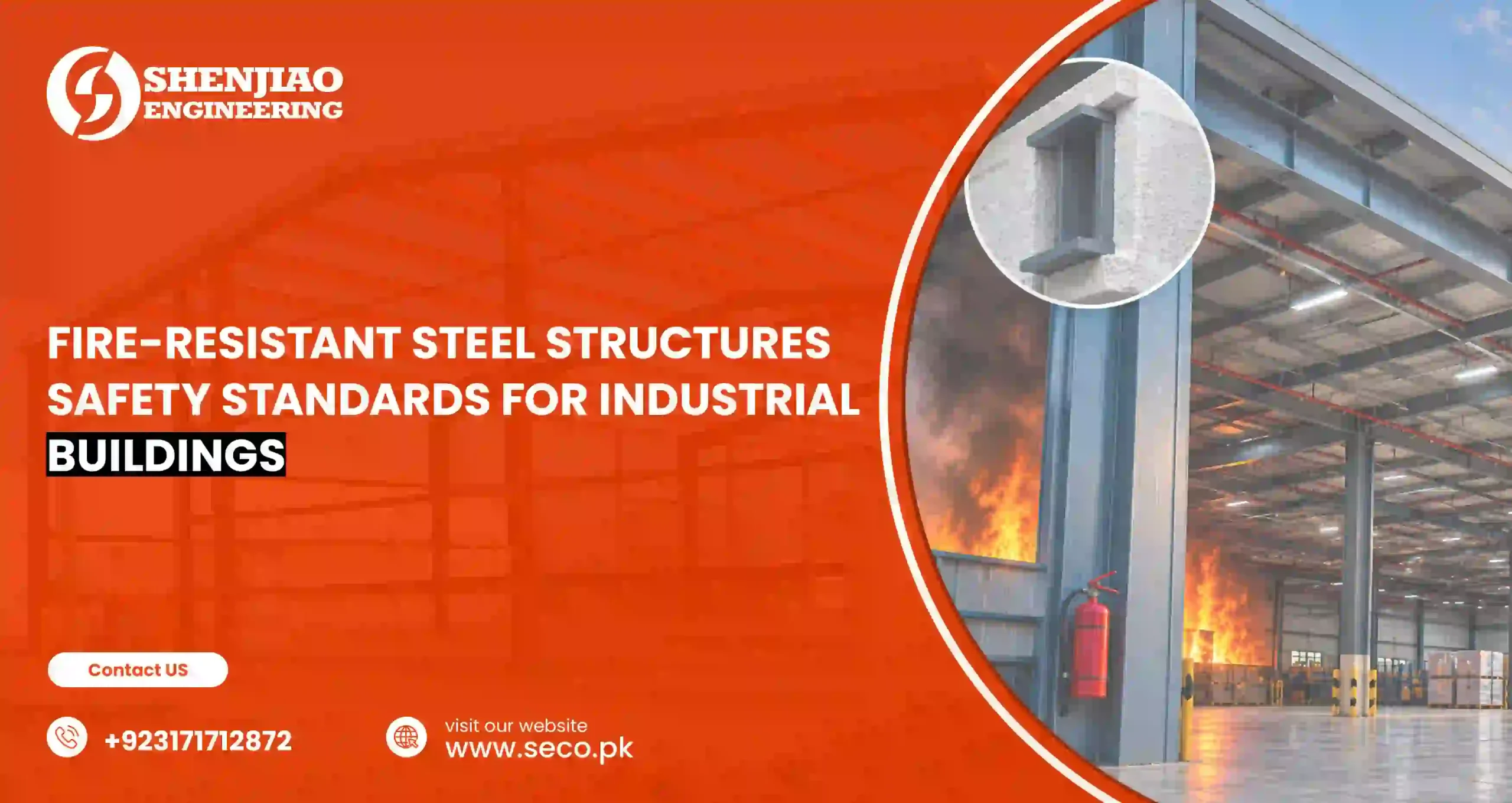
Fire-Resistant Steel Structures: Safety Standards for Industrial Buildings
Introduction
Fire safety is one of the most critical considerations in industrial building design, and it is a particularly important conversation for steel structures, since steel, while non-combustible, loses structural strength rapidly at high temperatures if left unprotected. Understanding how fire-resistant design works helps factory owners, warehouse operators, and facility managers make informed decisions about protecting their buildings, their inventory, and most importantly, the people who work inside them.
Why Fire Protection Matters for Steel Structures
Steel does not burn, but it does soften and lose load-bearing capacity when exposed to sustained high temperatures during a fire. Unprotected structural steel can begin losing significant strength within minutes of exposure to fire temperatures, which is why fire protection measures are built into the design of industrial steel structures rather than added as an afterthought.
Key Fire Protection Approaches for Steel Structures
Fire-resistant coatings and intumescent paint. These specialized coatings expand when exposed to heat, forming an insulating char layer that slows heat transfer to the underlying steel, buying critical time for evacuation and emergency response.
Fireproof board and spray-applied fireproofing. Certain high-risk areas within a facility may use fireproof board cladding or spray-applied fireproofing materials around critical structural columns and beams for enhanced protection.
Compartmentalization. Dividing large industrial buildings into fire-rated compartments using fire-rated walls and doors helps contain a fire to a specific zone, protecting the rest of the facility and giving occupants more time to evacuate safely.
Structural design margins. Engineering structural members with appropriate safety margins accounts for potential strength reduction during fire exposure, ensuring the building maintains critical stability during an emergency.
Industry-Specific Fire Safety Considerations
Textile and garment factories. High fabric and material loads combined with dust and lint accumulation require particular attention to fire compartmentalization and clear evacuation routes.
Chemical and processing plants. Facilities handling flammable materials need specialized fire suppression integration alongside structural fire protection.
Warehouses and storage facilities. High-density storage of combustible goods increases fire load, making sprinkler system integration and adequate fire-rated separation between storage zones especially important.
Food processing and cold storage. These facilities often combine fire safety requirements with strict hygiene and temperature control needs, requiring coordinated design between structural, fire safety, and mechanical systems.
Regulatory and Insurance Considerations
Meeting appropriate fire safety standards is not just a safety matter, it also affects insurance premiums and, for export-oriented manufacturers, compliance with buyer safety audits that many international retailers require before placing orders. A well-documented fire safety design can be a meaningful factor in securing and retaining export business.
SECO’s Approach to Fire-Resistant Design
SECO incorporates fire safety considerations from the earliest design stages, working with clients to understand their specific industry risks, applicable safety standards, and any buyer or regulatory compliance requirements. This includes appropriate structural detailing, coordination with fire protection systems, and material specifications suited to each facility’s fire risk profile.
Conclusion
Fire-resistant design is a fundamental part of responsible industrial construction, protecting people, inventory, and business continuity. SECO builds fire safety considerations into every project from the ground up rather than treating it as a compliance checkbox.
Have questions about fire safety standards for your facility? Contact SECO to discuss fire-resistant design options for your project.